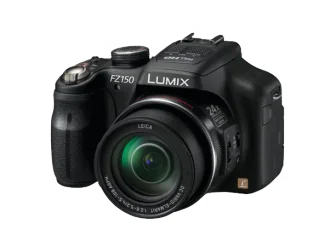
The Panasonic Lumix DMC-FZ150, released in 2011, was one of the best superzoom cameras of its era. With a 24x optical zoom lens (25-600mm equivalent), a 12MP CMOS sensor, and 1080p video recording, it offered remarkable versatility in a relatively compact body. But in 2025 — fourteen years later — can a camera from the early Obama administration still hold its own? The surprising answer is: for certain uses, absolutely.
What the FZ150 Still Does Well
Despite its age, the FZ150 retains several strengths that make it relevant today:
• Lens range: The 25-600mm equivalent zoom covers everything from wide-angle landscapes to distant wildlife. Modern smartphones can't touch this reach.
• RAW shooting: The FZ150 captures 12-bit RAW files, giving you significantly more editing flexibility than JPEG-only cameras.
• Fast aperture: F2.8 at the wide end means better low-light performance than most modern compact cameras with smaller apertures.
• Build quality: The FZ150's magnesium alloy body feels more substantial than many contemporary plastic cameras.
Where It Shows Its Age
Of course, fourteen years is a long time in camera technology. The FZ150's limitations are significant:
• 12MP resolution: While sufficient for social media and small prints, it falls short for large-format printing or heavy cropping.
• No 4K video: 1080p was impressive in 2011, but it looks soft compared to modern 4K footage.
• Slow autofocus: Contrast-detect AF struggles with moving subjects, especially at the telephoto end.
• No Wi-Fi or Bluetooth: Transferring images requires a card reader or USB cable.
Who Should Buy One in 2025?
The FZ150 makes sense for three types of users: beginners who want to learn photography on a budget (used FZ150s sell for under $150), travelers who need maximum zoom range without carrying multiple lenses, and vintage camera enthusiasts who appreciate the FZ150's place in superzoom history. It is not a camera for professionals or anyone who needs reliable autofocus.
Bottom Line
The Panasonic FZ150 is a time capsule from an era when superzooms ruled the consumer camera market. While it cannot compete with modern cameras in image quality or connectivity, its lens range and RAW capability keep it surprisingly viable for casual photography. If you find one for under $100, it is a fun piece of history that can still take decent photos.