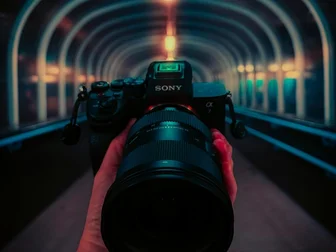
Shopping for a full-frame mirrorless camera in 2026? Sensor size still matters for low-light performance, lens choice, and depth of field—but the best bodies now balance resolution, autofocus, and video without the bulk of older DSLRs. This guide focuses on practical picks for enthusiasts and working photographers, not spec-sheet bingo.

Quick picks for 2026
Sony a7 IV remains the safe all-rounder: strong AF, solid 4K, and the deepest E-mount lens catalog. Nikon Z5II is the value play for stills-first shooters who want a modern Z mount without flagship pricing. Canon EOS R5 Mark II targets hybrid pros who need speed, oversampled video, and rugged build. Fujifilm X100VI is not full-frame, but it appears in many comparison searches—keep it on your radar if you want a fixed-lens creative companion alongside a primary body.
Sony: reliability and ecosystem
If you shoot events, travel, or mixed photo/video, start with the Sony A7V line and work backward to the a7 IV if budget matters. Sony’s real advantage is lenses and third-party support—plan your kit before you lock a body.

Nikon & Canon: stills vs hybrid
Nikon Z5II is easy to recommend for photographers who rarely push past 4K30 and want excellent ergonomics and color. Canon EOS R5 Mark II is the opposite bias: pay for it when you need dependable AF tracking, high frame rates, and pro-oriented codecs. Both systems have matured native lens lineups—rent before you switch mounts.
For Canon hybrid workflows, see our EOS R6 Mark III review for how the mid-range body compares to the R5-class speedsters.

What to check before you buy
- Sensor & resolution: 24–33MP is the sweet spot for most work; 45MP+ only if you print large or crop heavily.
- Autofocus: subject detection (people, animals, vehicles) matters more than headline AF points.
- Video: confirm codec, crop, and overheating limits for your real projects—not launch-day demos.
- Total cost: body + 2 lenses + cards often beats a flagship body alone.

Bottom line: there is no single “best” full-frame mirrorless camera for everyone in 2026. Match sensor size to your lenses and workflow, then buy the body that minimizes compromises for how you actually shoot.