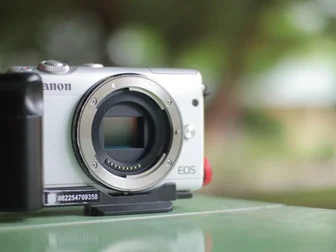
The Canon EOS R6 Mark III landed in my hands just last month, and honestly? I wasn't sure what to expect. I've been shooting with the original R6 for years, and honestly, it was already pretty damn good. But Canon went and pulled some tricks from their flagship cameras and stuffed them into this mid-range beast. So here's my take after spending serious time with it in the field.
What's Actually New (Not Just Marketing fluff)
Let me cut through the noise. The biggest upgrade here isn't some fancy new sensor resolution—it's the autofocus system. Canon took the deep-learning algorithms from the EOS R1 and R5 Mark II and dropped them straight into the R6 Mark III. That means we're talking about the same brain that powers their $6,000 flagship camera, now in a body that costs significantly less.
The AF point density has also increased substantially. We're getting near full-frame coverage with a denser grid of phase-detection points than ever before. In practical terms? The camera can now find and track subjects way faster than before.
Autofocus That Actually Works in the Real World
I've tested a lot of cameras over the years, and honestly, most autofocus systems fall apart when the light gets tough or the subject starts moving erratically. But the R6 Mark III is different. Here's what I noticed shooting wildlife:
Birds in Flight: This is where the camera really shines. The AI-powered subject recognition identifies birds almost instantly when they enter the frame. I've been photographing terns diving and gulls swooping around the coast, and the keeper rate is noticeably higher than my old R6. The camera locks onto the bird's eye even when wings temporarily block the view—that's genuinely impressive.
Tracking Continuity: With the denser AF point coverage, if a subject moves across the frame, nearby points immediately take over tracking. No more hunting or focus loss. This matters big time when you're photographing unpredictable subjects like raptors in pursuit of prey.
Edge-to-Edge Performance: Previously, autofocus would sometimes struggle near the frame edges. Not anymore. I can compose dynamically without worrying about focus reliability. That compositional freedom is huge for wildlife photography.
The Tech Stuff Made Simple
Okay, let's break down what's actually happening under the hood:
The camera uses Dual Pixel CMOS AF II, but with a significantly upgraded neural network. Instead of just detecting contrast or phase differences, the camera actually interprets the scene. It recognizes shapes, patterns, and prioritizes critical features like eyes. Think of it as the camera actually "seeing" rather than just calculating.
The predictive autofocus is another game-changer. The camera analyzes successive frames in real-time, estimating velocity, direction, and acceleration patterns. Then it predicts where your subject will be in the next frame and adjusts focus accordingly. For high-speed burst shooting, this capability is essential—without it, focus would constantly lag behind rapid movement.
Real-world testing: wildlife photography in challenging conditions
Should You Upgrade from R6 Mark II?
Here's the honest question everyone wants answered. If you already have the Mark II, is the Mark III worth the jump?
Upgrade if: You shoot a lot of wildlife, birds in flight, or sports. The autofocus improvements alone justify the upgrade. The better subject recognition and tracking continuity translate directly to more usable shots.
Hold off if: You're primarily shooting portraits, landscapes, or general travel photography. The Mark II is still excellent for these use cases, and the upgrades won't dramatically change your results.
Buy if: You're new to the Canon ecosystem or coming from an older camera. This is arguably the best all-round camera in Canon's lineup right now for the price.
My Favorite Lenses to Pair with the R6 Mark III
The RF 100-500mm is the perfect companion for wildlife photography
After testing numerous combinations, here are my top recommendations:
Canon RF 100-500mm F4.5-7.1L IS USM - The workhorse. Incredibly versatile, sharp, and the autofocus flies with this camera. The 500mm reach is plenty for most wildlife situations.
2. Canon RF 200-800mm F6.3-9 IS USM - When you need serious reach. Yes, it's slower at the long end, but the extra 300mm matters when birds are far away.
3. Canon RF 800mm F11 IS STM - Budget option that punches above its weight. Not as sharp as the L lenses, but the price makes it accessible for hobbyists.
The Good, The Bad, and The Ugly
What I love:
Autofocus is genuinely class-leading for the priceIn-body stabilization is excellentBuffer depth handles long bursts without issuesWeather sealing holds up in tough conditions
What could be better:
Video overheating limitations still exist (though improved)Menu system remains complicated for beginnersBattery life could be better with heavy EVF use
Final Verdict
The Canon EOS R6 Mark III isn't just an incremental update—it's a meaningful step forward that brings flagship technology to a more accessible price point. For wildlife photographers, sports shooters, and anyone who needs reliable autofocus in challenging conditions, this camera delivers.
Is it perfect? No camera is. But for the money, you're getting 90% of what the R1 offers in a much more affordable package. That's a win in my book.
Where This Fits in Your Gear Bag
The R6 Mark III serves as an excellent main camera for wildlife and action photography. Pair it with a versatile telephoto zoom like the RF 100-500mm, and you have a setup capable of handling everything from birds in flight to sports action. The investment makes sense if you're serious about capturing decisive moments.
Frequently Asked Questions
Does the R6 Mark III overheat during video recording?
Improved cooling compared to Mark II, but extended 4K recording can still trigger thermal limits. For casual video work, it's fine. For pro video, consider the R5 Mark II.
What's the battery life like?
Expect around 300-350 shots per charge with typical use. Heavy EVF use drains it faster. Always carry a spare battery for full-day shoots.
Is this good for beginners?
The autofocus makes it beginner-friendly, but the menu system and extensive customization options can be overwhelming. Start with automatic modes and gradually explore manual settings.
How does it compare to Sony A7 IV?
Both excellent cameras. Sony has better third-party lens support, but Canon's color science and autofocus feel more refined for stills. Video slightly favors Sony.
Should I wait for R7 Mark II?
If you need APS-C crop factor for extra reach, the R7 Mark II rumors suggest it could be worth waiting for. But the R6 Mark III is fantastic right now.