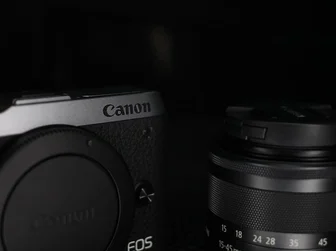
Canon's EOS R7 Mark II rumors are heating up in mid-2026, with fresh reports from Japanese camera industry sources and FCC filings suggesting the long-awaited APS-C flagship is closer than ever. The original R7, launched in 2022, has been Canon's best-selling APS-C mirrorless camera, but after nearly four years on the market, an upgrade feels increasingly necessary.
A 39MP Stacked Sensor
The headline upgrade is a 39-megapixel backside-illuminated stacked CMOS sensor. This is a dramatic leap from the original R7's 32.5MP BSI sensor, and more importantly, the stacked design dramatically improves readout speeds. The R7 II is rumored to support up to 40fps continuous shooting in electronic shutter mode — nearly double the original R7's 30fps — with significantly reduced rolling shutter artifacts.
Body Design: Closer to the R6 Series
One of the most significant shifts is the body design. Early CAD renderings and industry whispers suggest the R7 Mark II will move away from the compact R7 form factor and adopt a build more in line with the EOS R6 Mark II. This means a larger, more ergonomic grip, improved weather sealing, a more substantial rear dial, and a larger, brighter electronic viewfinder with 3.69 million dots.
Dual Card Slots: CFexpress Type B + SD
Canon is reportedly ditching the dual SD card configuration in favor of a CFexpress Type B + SD UHS-II combination, matching the R6 Mark II setup. This addresses one of the biggest complaints from professional R7 users who found dual SD slots limiting for high-bitrate 4K 120p video workflows and high-speed burst photography.
8.5-Stop IBIS and Pre-Shooting
The R7 II is expected to inherit the EOS R6 Mark II's 8.5-stop in-body image stabilization system, up from the original R7's 7 stops. Perhaps more interesting is the rumored "pre-shooting" mode, which continuously buffers images and saves a burst from before the shutter button is fully pressed — a feature increasingly common in professional sports and wildlife cameras.
Pricing and Release Window
With these upgrades comes a price increase. The original R7 launched at $1,499 body-only, but the Mark II is expected to debut at around $1,799–$1,899. FCC certification documents filed in early May 2026 point to an announcement window between late May and early June 2026, with availability expected in July or August.
What About the R7?
Canon is unlikely to discontinue the original R7 immediately. Instead, the Mark II will likely slot above it, similar to how the R6 and R6 Mark II coexisted for a period. The original R7 may see a price drop to around $1,199, making it an even more compelling option for beginners and enthusiasts who don't need the Mark II's advanced features.
Bottom Line
If the rumors hold true, the EOS R7 Mark II will be Canon's most advanced APS-C camera yet, bridging the gap between enthusiast and professional mirrorless bodies. For wildlife photographers, sports shooters, and content creators who need reach without sacrificing speed, it could be one of the most exciting camera releases of 2026.