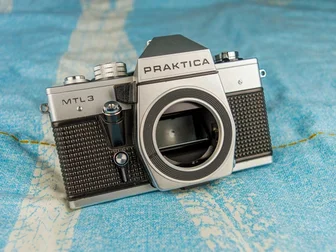
Walk into a camera store in 2026 and you will notice something strange: the shelves are dominated by cameras that are essentially video cameras with still-photo modes. Sony's A7S series, Canon's R5 C, Panasonic's S-series — all of them are marketed first as filmmaking tools and second as still cameras. The question many photographers are asking is simple: where have all the still photography cameras gone?
The Video-First Shift
The answer lies in market economics. Camera sales have declined 90% since their 2010 peak, and the only growing segment is content creation. YouTubers, TikTok creators, and independent filmmakers now drive more camera purchases than traditional photographers. Manufacturers have responded by prioritizing video features: 8K recording, log profiles, waveform monitors, and external RAW output. Even cameras marketed to "photographers" now come with more video buttons than shutter modes.
Cameras That Still Put Stills First
Despite the trend, several cameras remain dedicated to still photography:
• Leica M11: A rangefinder with no video mode, designed exclusively for documentary and street photography
• Fujifilm X100VI: While it records video, its design and philosophy are unmistakably stills-oriented
• Nikon Zf: A retro-styled body that emphasizes manual dials and tactile shooting over video features
• Ricoh GR III: A pocket camera built for decisive-moment photography with no pretense of cinematic capability
The Computational Photography Angle
Interestingly, the smartphone may be preserving still photography better than dedicated cameras. Apple's iPhone 17 Pro and Google's Pixel 10 have advanced computational photography features — multi-frame stacking, night mode, and AI-enhanced portraits — that are designed exclusively for still images. These devices sell hundreds of millions of units annually, meaning more still photos are taken today than ever before, even if fewer are taken with "real" cameras.
Will the Pendulum Swing Back?
Some industry analysts believe the video-first trend has peaked. As content creators increasingly turn to dedicated cinema cameras like the RED Komodo and Blackmagic Pocket Cinema Camera, hybrid mirrorless cameras may refocus on still photography. Canon's rumored "still-only" RF body and Nikon's continued investment in Z-mount landscape cameras suggest manufacturers recognize that alienating photographers entirely would be a mistake.
Bottom Line
The still photography camera is not dead — it is evolving. While most modern cameras are hybrids, a dedicated niche of stills-first bodies continues to thrive. For photographers who value the discipline of single-frame image-making, these cameras offer something no video-centric body can: a tool designed entirely around the art of capturing a moment.