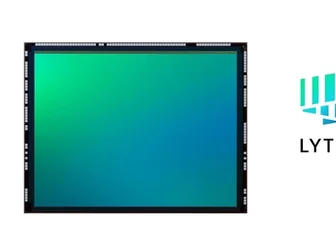
Sony Semiconductor Solutions announced the LYTIA 720 on October 28, and the headline spec is 4K at 60fps with HDR on and full-pixel autofocus still running. Sony says redesigned analog-to-digital conversion circuits are what make that combination possible.
The rest: 1/1.56-type, about 50 effective megapixels, 1.0 µm pixels, Quad Bayer coding, mass-production ship date planned for early November 2026.
Two numbers stand out. Sony puts random noise in dark environments at roughly 50% lower than a conventional sensor, and dynamic range at 100 dB via Hybrid Frame-HDR.

The 50% figure is measured against the LYTIA 700, the sensor this replaces. Same format, same resolution — but it's a comparison against Sony's own prior part, not a competitor, so read it as a generational gain rather than an absolute.
The other detail worth having is that this is the first 1/1.56-type LYTIA sensor with a 1.0 µm pixel size to support 4K60p HDR with all-pixel autofocus. Getting the pixel pitch down to 1.0 µm at that format and still fitting the conversion circuitry is the engineering that made the headline spec possible.
What I want to see is the 100 dB HDR holding up against a fast subject. Sony says single-frame HDR suppresses motion artifacts while maintaining enough exposure time for low-noise imaging, and that is exactly the right thing to build for — but I want it tested against something moving before I trust it.
No phone maker has been named. Sony says the sensor should appear in phones over the following year.